
The Maldives
The Maldives are achain of 19 island groups in the Indian Ocean, southwest of India and Sri Lanka. They stretch 871 kilometers from north to south, just south of the equator. The islands are atolls with coral reefs surrounding the peaks of a volcanic mountain range submerged in the sea.Of the approximately 1,200 islands, only 220 are inhabited. However, only some of the inhabited islands are accessible to tourists. These are mainly hotel islands or islands that are frequently visited by safari boats. As a rule, tourists must leave the islands by sunset. Exceptions are rarely granted by the government. As a full-service tour operator, our general agency offers you everything from a single source, answers all your questions, and gives you valuable tips for your diving safari in the Maldives.

The Islands
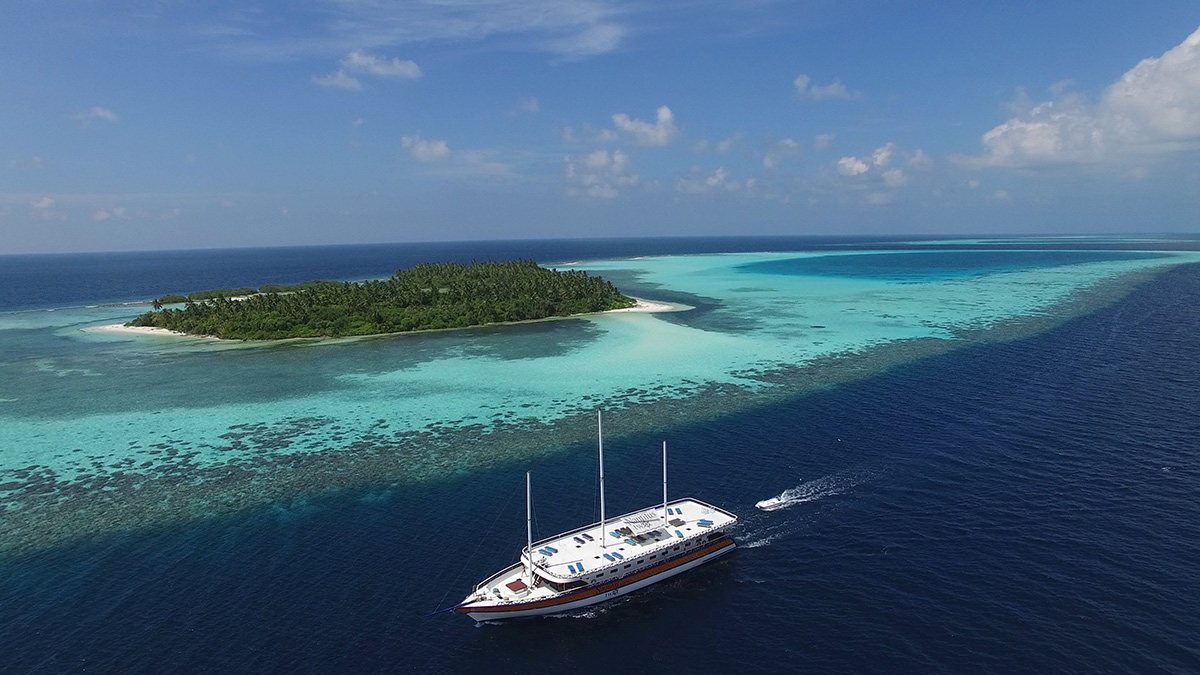
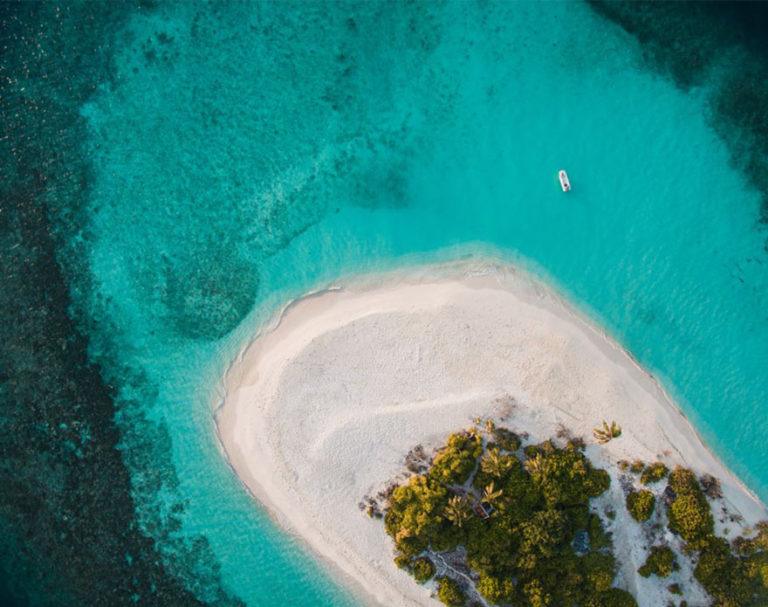
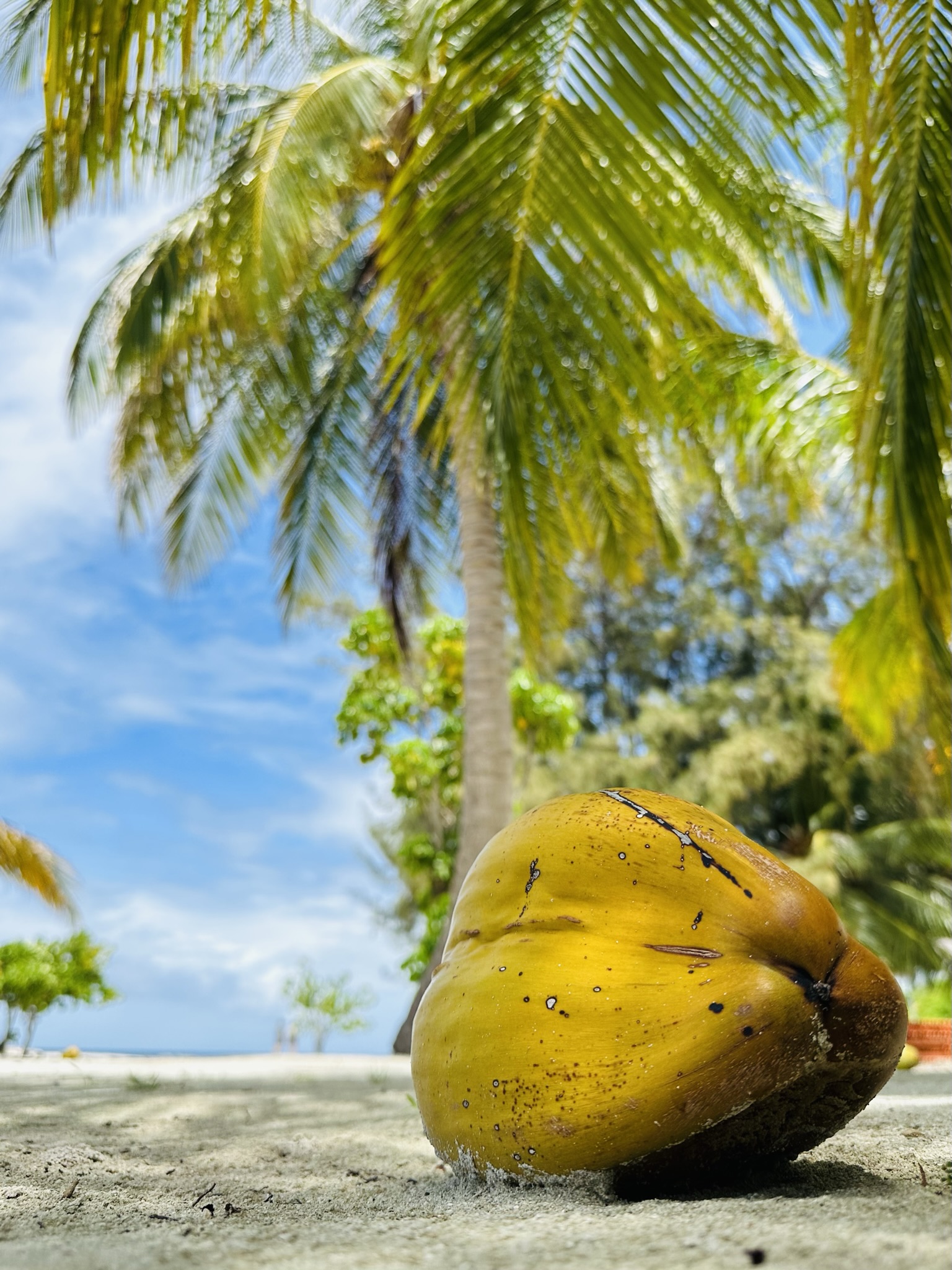
The Maldives is one of the most fascinating diving destinations on the planet. Located in the Indian Ocean, thisisland nation with a population of just under 400,000boasts numerous breathtaking atolls and almost 1,200 islands, some of which are uninhabited. The islands arecharacterized by gorgeous white sandy beaches with palm trees and beautiful lagoons.



Channels and fringing reefs
The more than 20 atolls areprotected by numerous coral reefs, some of which are untouched. These were formed as a result of the sinking of huge volcanoes. In the following period, the corals formed the magnificent fringing reefs of the atolls, which can be wonderfully observed today on a sightseeing flight by plane. Thanks to strong ocean currents in this area, long channels formed naturally, through which divers from all over the world now travel. The reefs are teemingwith unique fauna and flora, some of which have not yet been named.
Currents and visibility
When choosing your diving holiday destination in the Maldives, you should take the currents into account and consider the best visibility conditions. Generally speaking, diving is particularly pleasant west of the atolls from May to November. If you are visiting between December and April, you should explore the diving areas east of the atolls. The atolls themselves surpass eachother in beauty, and each of them fascinates divers in its own unique way.

The Atolls
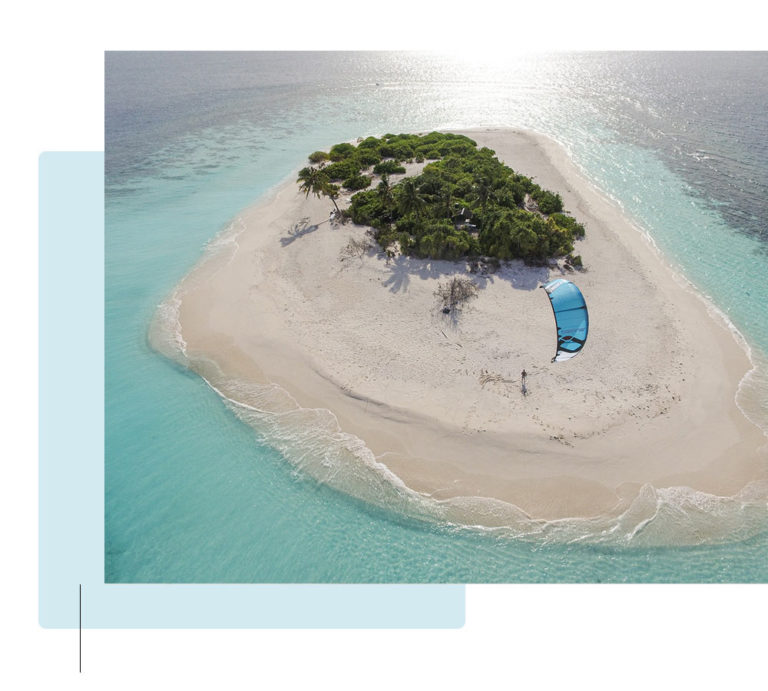
The islands of the Maldives are spread across 26 atolls. Most of the islands, including most of the tourist islands (with a few exceptions), are arranged in a ring around the large lagoon of each atoll, similar to the pearls of a pearl necklace. Theseatolls always have a more or less ring-shaped structure, which can best be observed from a great height. The ring-shaped atolls of the Maldives are the largest on earth and are considered by geologists and geographers to be a classic area for substantiating the theory of atoll formation.
The story behind its creation
It is believed that atolls originated when, in ancient times, islands with volcanoes slowly sank and reef corals settled on top of the round volcanic cones. The growth of the corals was able to keep pace with the sinking of the islands, anda huge coral reef began to form. After the island had completely disappeared, the atoll ring was the only thing left and can still be seen today. Drilling has confirmed this theory, which was first proposed by C. Darwin in 1842, but not yet in the Maldives.
Reef formation
Here, it is more likely that a larger land mass, the so-called Maldivian Ridge, also sank into the sea and coral growth was able to develop here as well. Various theories explain the round shape, but their veracity is based more on speculation than on facts.The fact is that the growth of a complete coral reef, regardless of its shape, takes an enormously long time;the oldest verifiable reef took almost 50 million years to form.
Kandus – Reef openings
In order for an island or atoll to be accessible by boat, this ring around the island or the large atoll ring must have a break somewhere. The aforementioned kandus or reef openings have mostly been created by nature, but often they had to be widened or created artificially. To ensure that these passages can be found even in bad weather or by those unfamiliar with the area, they have been marked in sometimes very idiosyncratic ways.Once a boat has passed this mark, it has reached safe and calm waters.
Country & People
- Area: 298 square kilometers
- Form of government:presidential republic
- Language: Official language "Dhivehi"
- Economy:Tourism, export of dried fish, copra, and coconut fibers Local currency = Rufiyaa
- Population: 240,000 inhabitants
- Capital:Malé, with a population of approximately 105,000
- Religion: Islam
- Climate:Tropical monsoon climate, temperatures 24–30°C, annual precipitation 1600 mm
island life
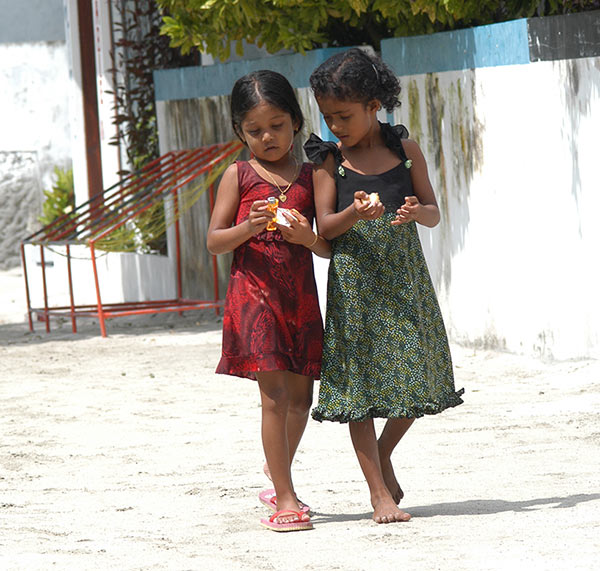
Malé is the economic and political center of the Maldives, and its approximately 105,000 inhabitants live in close quarters on an island covering an area of around 1.5 square kilometers. It has all the hustle and bustle of a lively tropical city, with noisy markets and a crowded harbor full of fishing boats, merchant ships, and water taxis. The colorful jumble of residents, shopkeepers, workers, and day trippers from the tourist islands stands in stark contrast to the tranquil calm that radiates from the other islands of the Maldives. The population of Malé is growing so rapidly that the island had to be artificially enlarged, with more than 1/3 of its current size already reclaimed from the sea.
The capital city – Malé
The population of around 270,000 is scattered across approximately 200 islands. However, they are united by a distinct, homogeneous culture. All Maldivians are Muslims and speak Dhivehi. Visitors are always impressed by the genuine friendliness and polite courtesy of the islanders. But although it would be hard to find a more peaceful people anywhere, the Maldivians defend their independence fiercely. They are proud that their idyllic country has only been under foreign rule once in its entire history.


Places of interest in Mále
A nation of seafarers
Airport Island – Hulhulé
Diving destination Maldives
The Maldives is one of the most popular destinations for divers: clear, warm water and a diverse underwater world. These unique conditions make every dive an interesting experience. In order to meet the high demands of guests, great importance is attached to providing optimal infrastructure. The Maldivian government has also established 25 protected areas that are accessible to divers for the regeneration of nature. These are beautiful but endangered coral reefs, thilas, and reef channels.
Fantastic coral reefs
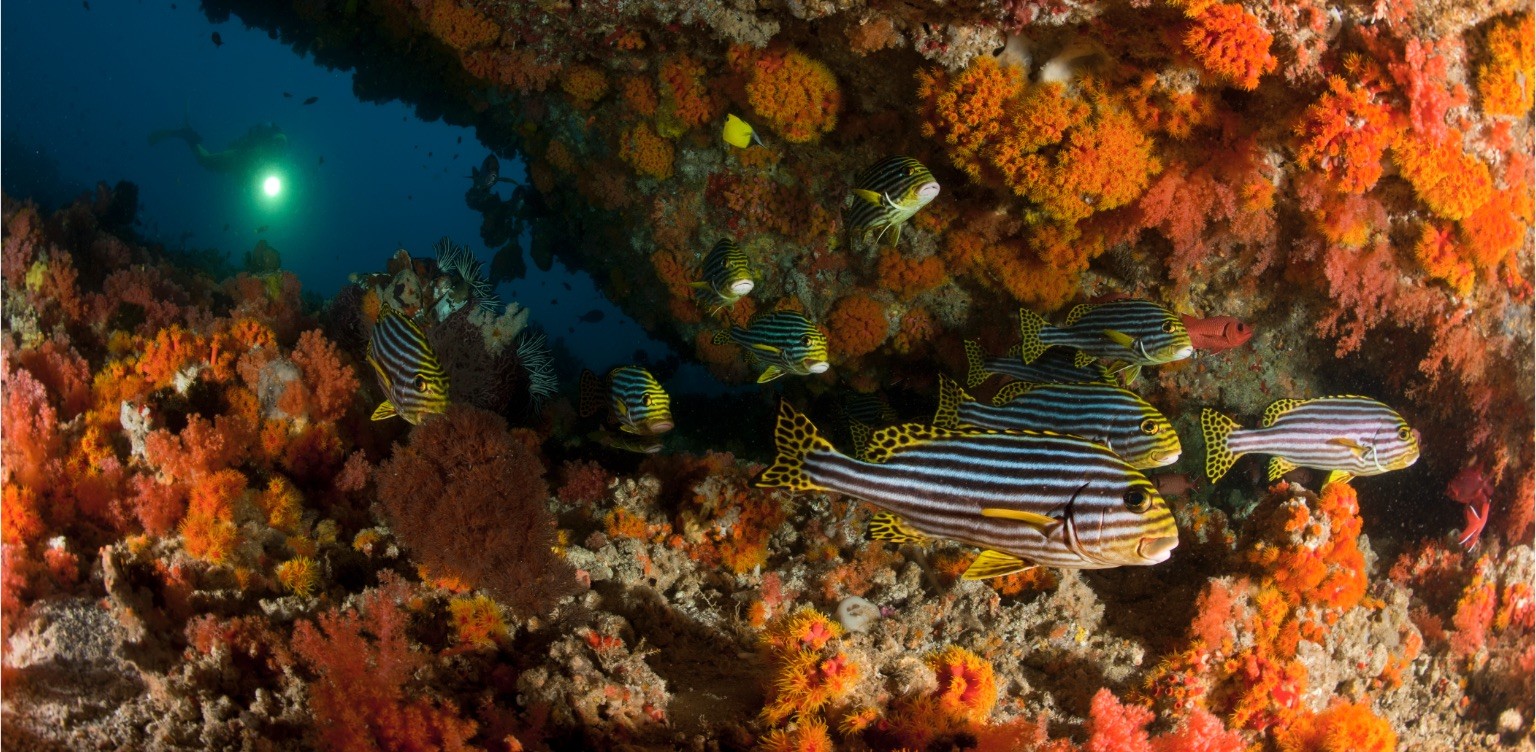
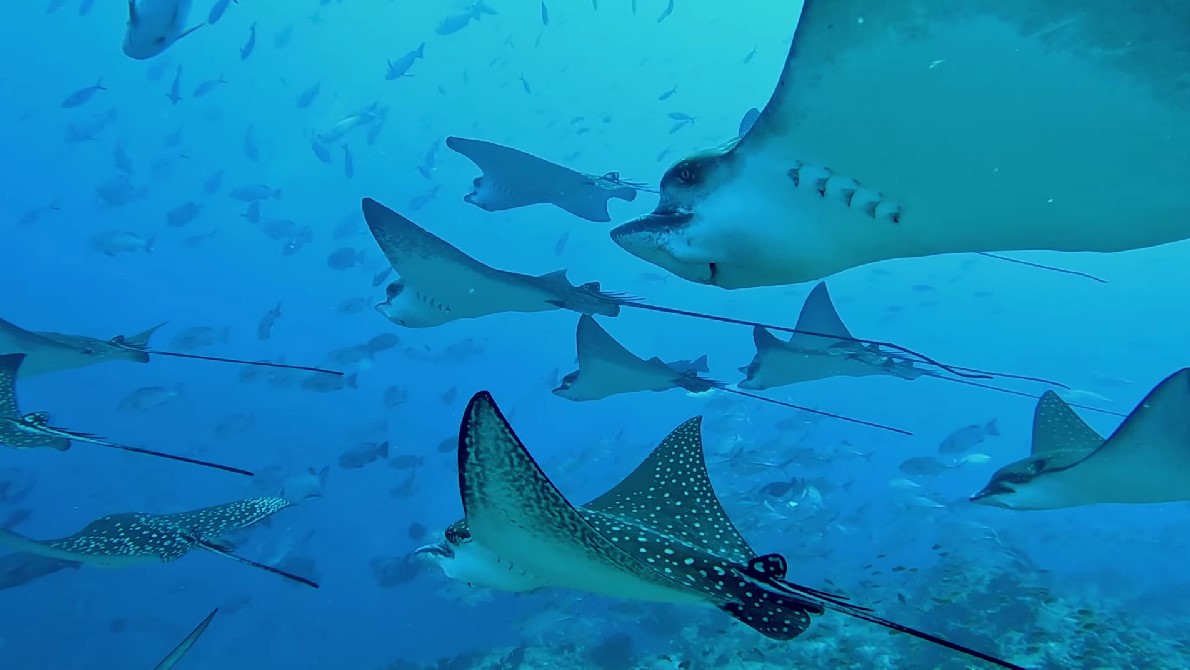
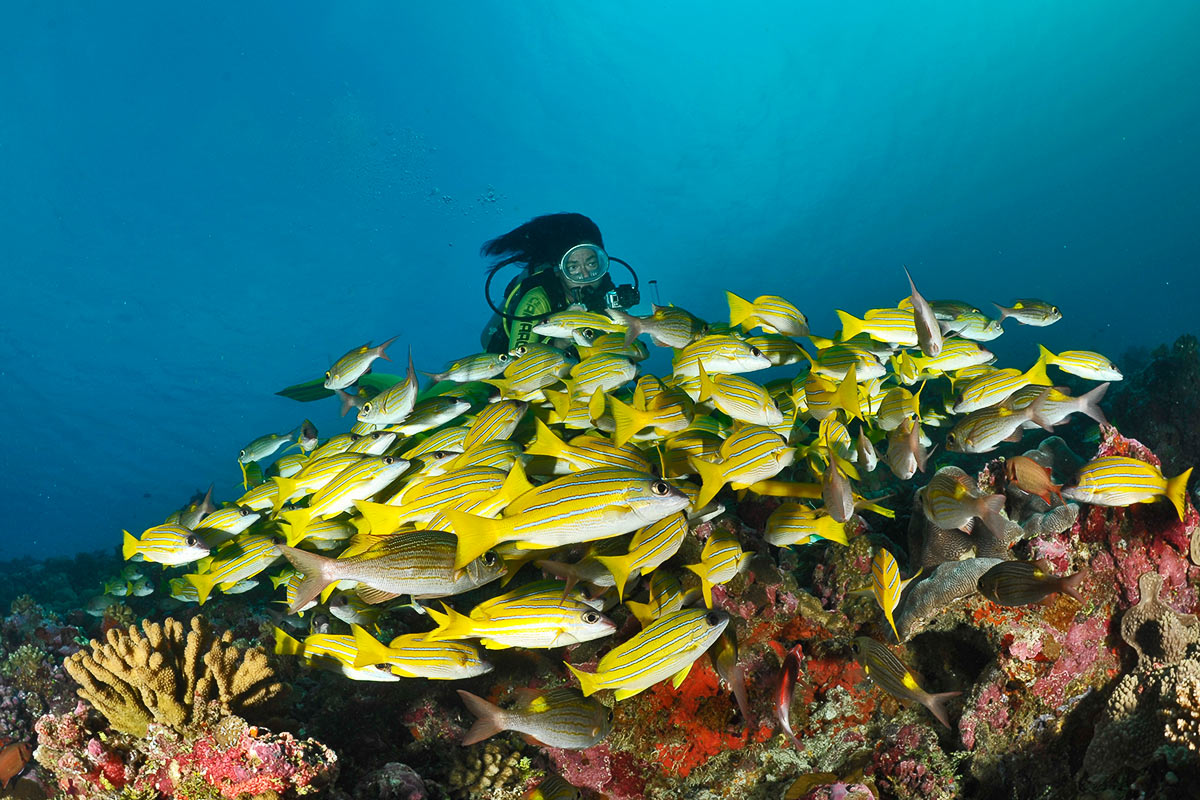
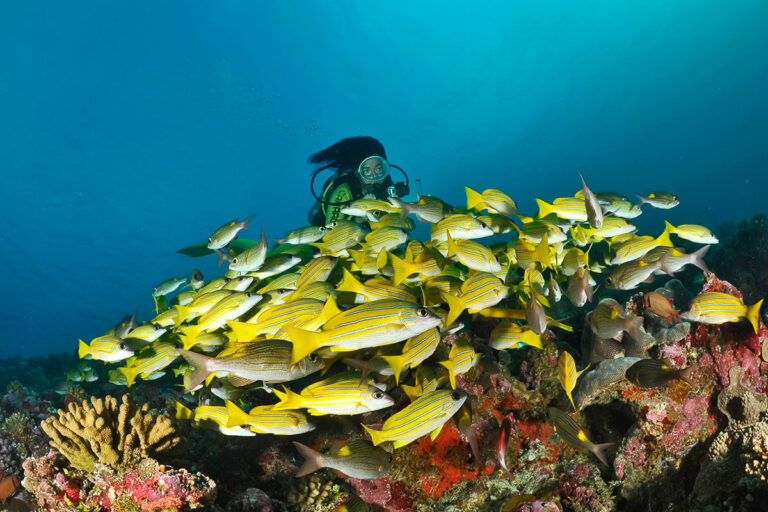
Corals have created these unique reefs and atolls in the Indian Ocean. Whether you are diving in the Maldives for the first time or are already familiar with this underwater world,every dive here is an unforgettable experience. Unique coral formations and the colorful fish that live there never fail to delight divers.
Life underwater


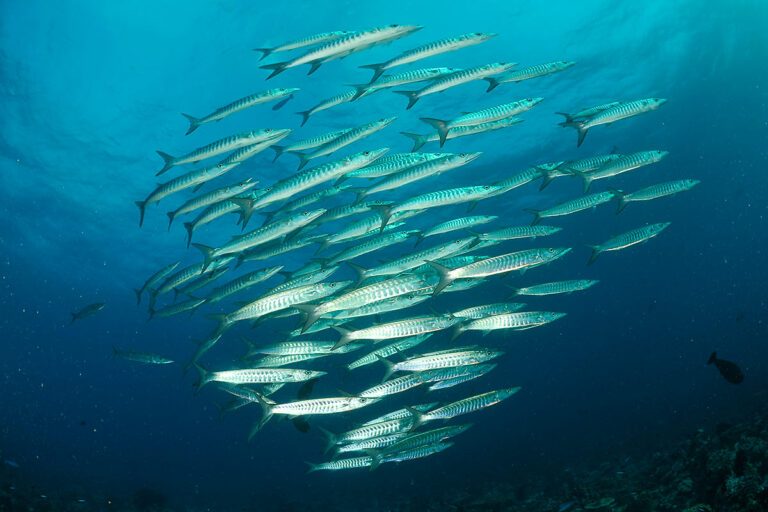
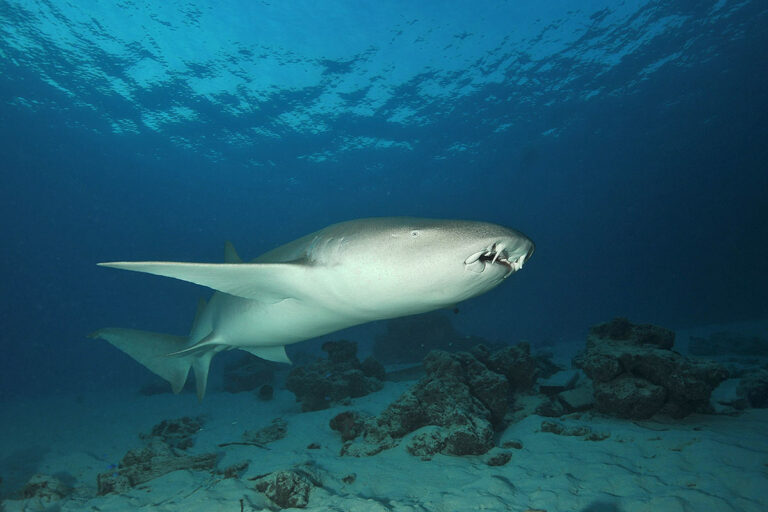
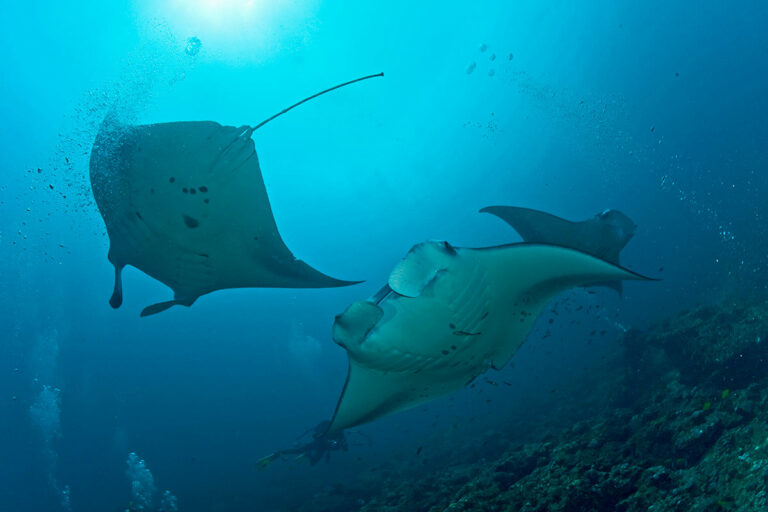
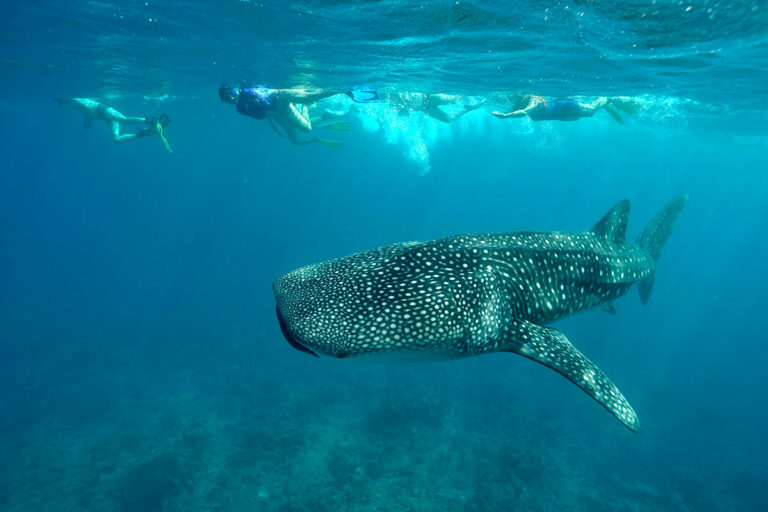
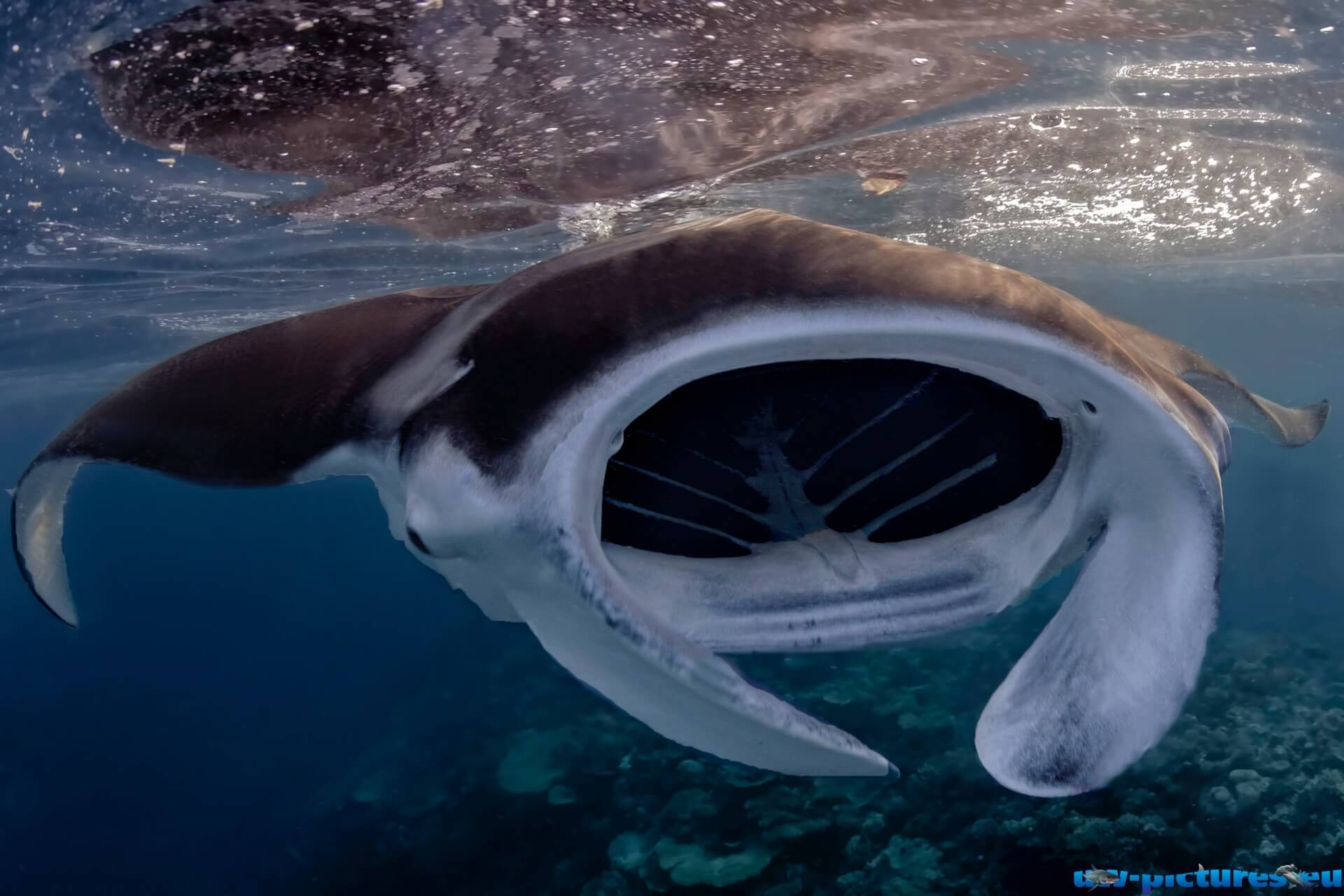
Big fish territory Maldives
Nord Male Atoll is one of the most important atolls in the Maldives. It is home to Malé, the capital of the archipelago, and an international airport on the island of Hulhulé, the economic center of the Maldives.
Nord Male is one of the atolls most developed for tourism. It offers a wide range of renowned resorts and excellent infrastructure. On the other hand, tourism has caused land prices to rise sharply, making it almost impossible for locals to settle on this atoll.
North Male Atoll has many of the most famous diving areas in the Maldives. Thanks to a strait, it is also relatively well protected from monsoons, which has had a particularly positive effect on the fishing grounds and also reassures many holiday divers. In addition to beautiful coral reefs, experienced divers can also dive along fascinating steep walls here.
Just 3 kilometers north of North Male Atoll lies the small Gaafaru Atoll, consisting of the islands of Gaafaru and Velifaru. The two atolls are separated by the Gaafaru Channel. Approximately 1,000 inhabitants live on the eastern island of Gaafaru. The main industry here is fishing. The locals on Velifaru are rather scarce. However, the island fascinates visitors with its unique reef, where divers can explore various wrecks, among other things.